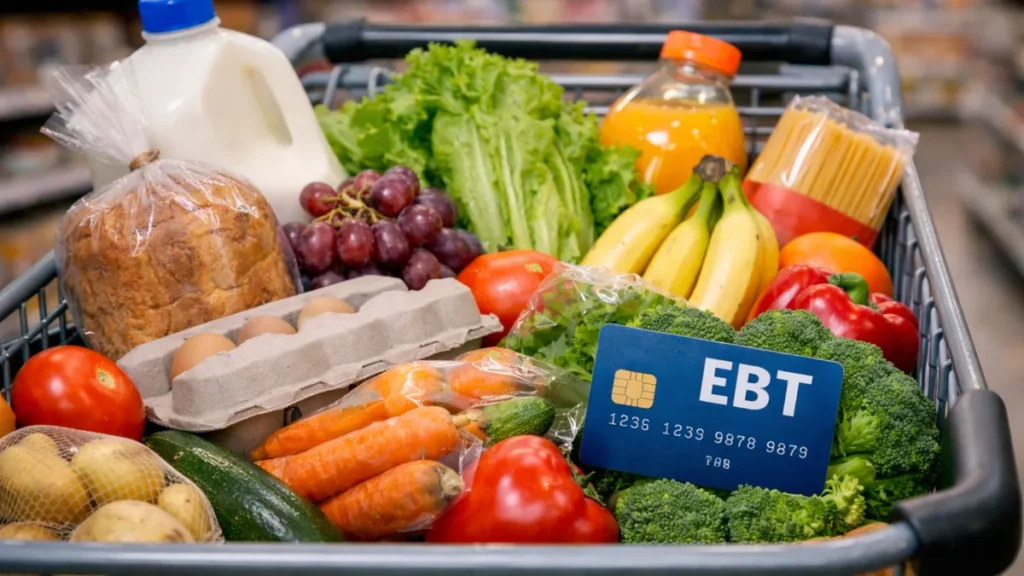
The U.S. Department of Agriculture (USDA) has officially updated SNAP benefit amounts for fiscal year 2026, bringing modest increases to millions of Americans who rely on food assistance.
The changes took effect on October 1, 2025, and will remain in place through September 30, 2026. These annual adjustments are based on the Cost-of-Living Adjustment (COLA), which reflects inflation and rising food costs.
Here’s a clear breakdown of what’s changing in 2026.
📈 Updated SNAP Maximum Monthly Benefits (48 States + D.C.)
For households in the contiguous United States and Washington, D.C., the new maximum allotments are:
| Household Size | Maximum Monthly SNAP Benefit (2026) |
|---|---|
| 1 person | $298 |
| 2 people | $546 |
| 3 people | $785 |
| 4 people | $994 |
| 5 people | $1,183 |
| 6 people | $1,421 |
| 7 people | $1,571 |
| 8 people | $1,789 |
Alaska, Hawaii, Guam, and the U.S. Virgin Islands have higher benefit levels due to increased food costs.
💵 Income Limits Have Increased
In addition to higher maximum benefits, SNAP income eligibility thresholds have also been adjusted upward.
This means:
- Some households who were previously ineligible may now qualify
- Gross and net income caps are slightly higher
- Shelter and utility deductions may increase benefit amounts
- Seniors and disabled individuals may benefit from higher medical deductions
If you were denied SNAP in the past, it may be worth checking your eligibility again in 2026.
🛒 Minimum SNAP Benefit Increase
The minimum SNAP benefit in most states has increased to $24 per month, up slightly from the previous year.
While modest, this ensures that even households with limited calculated eligibility still receive assistance.
Why the 2026 SNAP Increase Matters
Food prices remain elevated compared to pre-pandemic levels. Although the 2026 increase is not a major emergency expansion like the pandemic-era boosts, it provides some additional support to:
- Low-income families
- Seniors on fixed incomes
- Individuals facing housing and utility cost increases
- Working households struggling with grocery inflation
SNAP remains one of the most significant anti-hunger programs in the United States, serving over 40 million Americans annually.
Who Qualifies for SNAP in 2026?
Eligibility generally depends on:
- Household income
- Household size
- Citizenship status
- Assets (in some cases)
- Work requirements for certain adults
Each state administers its own SNAP program, so specific rules and application processes may vary slightly.
How to Apply or Recheck Eligibility
To apply or verify eligibility:
- Visit your state’s official SNAP website.
- Use the USDA SNAP state directory.
- Contact your local human services office.
- Check your EBT account portal for benefit updates.
If your financial situation has changed, reporting updated income or expenses could increase your monthly benefit.
Frequently Asked Questions
When do the 2026 SNAP increases start?
The updated benefit amounts began on October 1, 2025.
Will everyone receive the maximum SNAP amount?
No. The maximum benefit applies only to households with little or no net income. Most households receive a calculated amount based on income and expenses.
Is this a large SNAP increase?
No. The 2026 update is a routine cost-of-living adjustment (COLA), not an emergency expansion.
Can I reapply if I was denied before?
Yes. Since income limits have increased, some households may now qualify.
Final Thoughts
The SNAP Benefits Increase 2026 provides modest but meaningful support to millions of American households facing ongoing food and living cost pressures.
While the increase is not dramatic, it reflects continued adjustments to help families manage inflation and maintain food security.
If you receive SNAP or think you may qualify, reviewing the updated guidelines could help you access the full benefits available in 2026.
[9974]flushcasino | Link vào chính thức, Casino trực tuyến uy tín số 1,flushcasino cung cấp link vào chính thức và hỗ trợ tải app nhanh chóng. Trải nghiệm sòng bài trực tuyến với nạp tiền qua Momo tiện lợi. Tham gia ngay hôm nay! visit: flushcasino