
US Taxpayers Urged to Prepare Early for 2025–26 Filing Season as New Rules Take Effect
Washington, D.C. — The Internal Revenue Service is urging Americans to begin preparing now for the upcoming 2025–26 tax filing season, warning that new reporting requirements, tax law changes, and refund processing updates could affect millions of returns.
According to the IRS, early planning can help taxpayers file accurate returns, avoid delays, and receive refunds faster. The agency has released updated guidance reflecting recent legislation and administrative changes that will shape how individuals file their federal income tax returns.
New Tax Law Changes Under “One, Big, Beautiful Bill”
A sweeping tax law known as the One, Big, Beautiful Bill is expected to have a significant impact on federal taxes, credits, and deductions. The IRS and the U.S. Treasury Department are continuing to implement the law and issue guidance.
Key provisions include:
- Elimination of federal tax on tips
- No tax on overtime pay
- No tax on car loan interest
- A new deduction for seniors
- Accelerated expiration of certain energy-related tax credits
Taxpayers are encouraged to review official IRS updates to understand how these changes may affect their eligibility and filing requirements.
Form 1099-K Reporting Expands in 2026

Starting January 2026, taxpayers who earned more than $20,000 and completed over 200 transactions through online marketplaces or payment apps in 2025 should expect to receive Form 1099-K. The IRS will also receive a copy of the form.
The agency emphasized that there have been no changes to the taxability of income. All income—including side jobs, gig work, and sales of goods or services—must be reported unless specifically excluded by law, whether or not a taxpayer receives a 1099 form.
The IRS recommends careful recordkeeping and advises taxpayers who believe they received a 1099-K in error to follow official guidance.
Life Changes May Affect Credits and Refunds
Life events such as marriage, divorce, having a child, buying a home, starting college, or losing a job can affect a taxpayer’s filing status and eligibility for credits.
For the 2025 tax year:
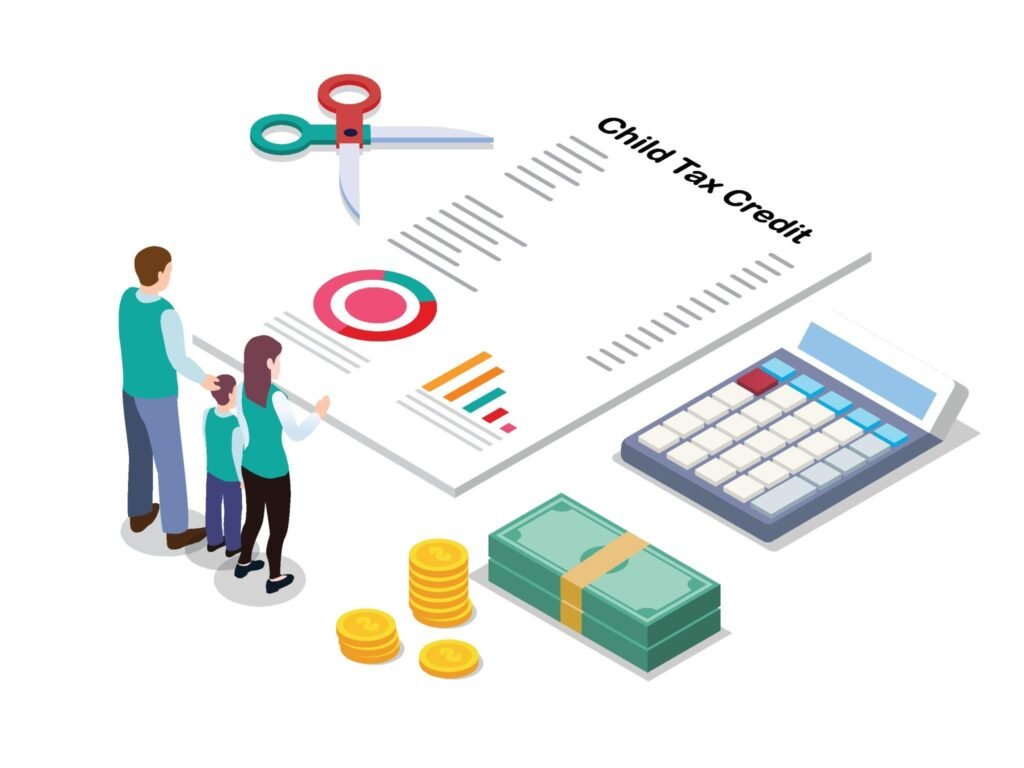
- The Child Tax Credit is worth up to $2,200 per qualifying child under age 17
- The Earned Income Tax Credit may provide up to $649 for eligible taxpayers without qualifying children
- The Credit for Other Dependents applies to dependents age 17 or older
- The Child and Dependent Care Credit can cover up to 35% of qualifying care expenses
Introduction of Trump Accounts for Children
The IRS confirmed that parents and guardians may establish a new type of tax-advantaged account for children known as Trump Accounts.
Under a pilot program:
- Eligible children must be U.S. citizens with valid Social Security numbers
- Accounts are available for children under age 18
- A $1,000 government contribution applies to children born between January 1, 2025, and December 31, 2028
The accounts are designed to support long-term financial growth for children and are managed by authorized custodians until adulthood.
Refund Timing and Payment Changes
While most refunds are issued within 21 days, the IRS cautioned that several factors can cause delays, including identity theft reviews, errors, or missing information.
Key refund updates include:
- Refunds involving the Earned Income Tax Credit or Additional Child Tax Credit cannot be issued before mid-February
- Paper refund checks are being phased out as part of payment modernization efforts
- Direct deposit is now the preferred and fastest refund method
Returns flagged for manual review may take longer than 21 days to process.
IRS Online Tools and Free Filing Options
The IRS continues to promote its Online Account system, which allows taxpayers to:
- View past returns and tax records
- Track refunds
- Access W-2 and 1099 information
- Request an Identity Protection PIN
- Make payments and manage payment plans
Most taxpayers can file electronically at no cost using IRS Free File, available exclusively through IRS.gov. Military members and qualifying veterans may use MilTax, while eligible individuals can also receive free in-person assistance through VITA and Tax Counseling for the Elderly (TCE) programs.
Protecting Against Fraud
The IRS warned taxpayers to remain vigilant against scams, noting an increase in fraudulent messages impersonating the agency. Officials advise taxpayers to rely only on IRS.gov for official information and to avoid sharing personal or financial details in response to unsolicited messages.
Filing Early Recommended
With multiple changes affecting reporting, credits, and refunds, the IRS emphasized that filing early and electronically—while choosing direct deposit—remains the best way to avoid delays and receive refunds securely.
The IRS last updated its guidance on January 7, 2026, and taxpayers are encouraged to monitor official resources for further updates as the filing season approaches.