Rising tensions between Iran and global powers push oil prices higher, disrupt markets, and impact central bank decisions. Here’s a full breakdown of the latest developments.
Rising Middle East Tensions Trigger Global Concerns
A recent broadcast from Bloomberg Daybreak Europe highlights escalating geopolitical tensions in the Middle East that are sending shockwaves through global markets.
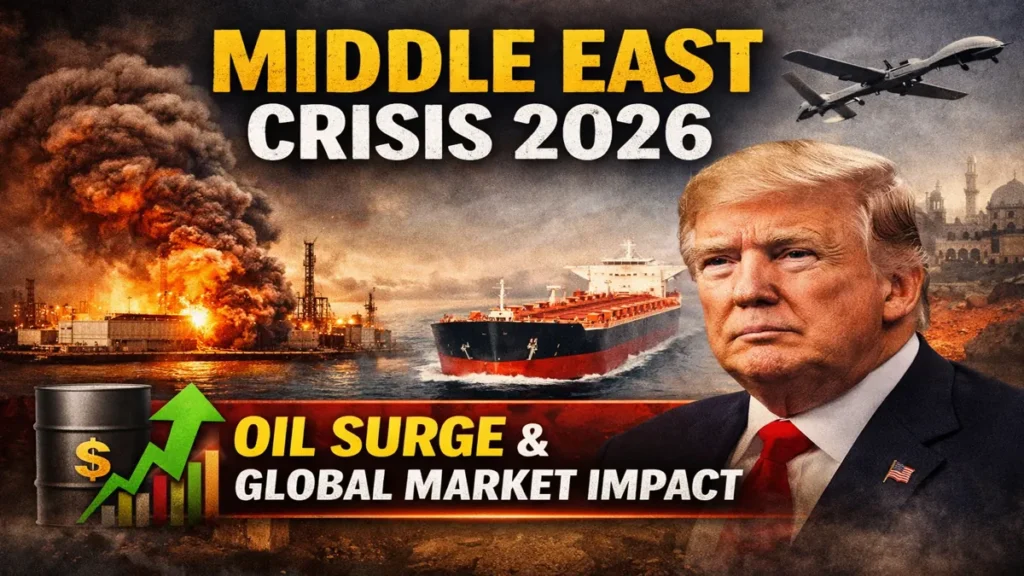
Donald Trump has urged international allies to help secure the strategically critical Strait of Hormuz. This comes after intensified attacks by Iran on energy infrastructure.
Key incidents include:
- A drone strike on Fujairah Port
- A fire outbreak at the Shah Natural Gas Field
Due to the escalating crisis, Trump has also delayed his planned summit with Xi Jinping by one month to focus on the Iran situation.
📈 Market Impact: Oil Prices Spike, Tech Stocks Defy Trends
🛢️ Oil Prices Surge
Global oil markets reacted immediately:
- Brent crude rose to around $104 per barrel
- WTI crude reached approximately $97.50
The surge reflects fears of supply disruptions through the Strait of Hormuz, a route that handles a significant portion of the world’s oil shipments.
💻 Tech Stocks Show Strength
Interestingly, tech stocks in Asia remained resilient despite geopolitical instability.
Nvidia boosted investor confidence after forecasting $1 trillion in sales by 2027, helping lift market sentiment across the tech sector.
🏦 Central Banks Face New Pressure
The global economic landscape is becoming more complex:
- The Reserve Bank of Australia raised interest rates again, citing inflation pressures linked to the conflict.
- Analysts from Pictet Asset Management suggest that both the European Central Bank and the Federal Reserve may need to adjust policies if inflation continues rising due to geopolitical disruptions.
🌐 Key Geopolitical Developments
🇮🇱 Israel Expands Military Operations
Israel is increasing its military presence in southern Lebanon, raising concerns about a broader regional conflict.
🇪🇺 Europe Refuses Military Involvement
Ministers from the European Union have rejected calls to deploy warships to the Strait of Hormuz, signaling reluctance to enter the conflict.
🇨🇺 Crisis in Cuba
Reports indicate that the U.S. is pressuring Miguel Díaz-Canel to step down as part of negotiations, amid a severe crisis in Cuba, including a complete power grid collapse.
⚠️ What This Means for Investors
- Energy markets may remain volatile due to supply risks
- Inflation pressures could increase globally
- Central banks may continue tightening policies
- Tech sector remains a surprising area of strength
🧠 Final Thoughts
The current geopolitical tensions in the Middle East are not just regional—they are shaping global economic trends, influencing oil prices, and forcing central banks to rethink strategies.
As the situation unfolds, investors and policymakers alike will need to stay alert to rapidly changing dynamics.